- May 16, 2025
Can a Normal Person Hire a Stylist? Everything You Need to Know About Styling Careers
- Sterling Style Academy
- personal stylist course
- 0 comments
Hiring a personal stylist or exploring a career in styling might feel like uncharted territory for many. What does a stylist really do? Are they only for celebrities? How does one start a career in this field? Whether you’re considering hiring a stylist or stepping into the world of professional styling, this blog will cover all the questions you might have.
Can a Normal Person Hire a Stylist?
Absolutely! Hiring a stylist is not just for celebrities or public figures. Many people are turning to stylists for wardrobe updates, special events, or even a complete style overhaul. A stylist brings expertise in understanding body types, trends, and personal tastes, ensuring you always look and feel your best.
Stylists often work with everyday individuals to help them shop smarter, dress for success, or simply feel more confident. You don’t need to break the bank, either. Some stylists offer virtual consultations or hourly packages to make services more accessible.
Are Stylists in Demand?
Yes, the demand for stylists continues to grow. People are increasingly aware of the importance of appearance, both personally and professionally. With the rise of social media and the gig economy, the styling industry has expanded beyond Hollywood and the fashion industry into everyday life.
Companies also hire stylists to work with corporate clients, providing wardrobe solutions or curating stylized shoots for branding. Trends like personal branding, influencer culture, and online shopping have created opportunities for stylists to work in various capacities.
How to Become a Paid Stylist?
Becoming a paid stylist requires a mix of skills, networking, and industry knowledge. Here’s how you can get started:
Build a Portfolio – Start by styling friends or volunteering on local projects. Document this work through photos to showcase your talent.
Network – Attend industry events, connect with photographers, makeup artists, and other creative professionals.
Learn from Experience – Assisted styling jobs are a great way to learn directly from seasoned professionals.
Market Yourself – Create a professional website or portfolio on platforms like Instagram to attract clients.
Do You Need Qualifications to Be a Stylist?
While formal qualifications are not always mandatory, having certifications or training can give you a competitive edge. Many top stylists are self-taught, but courses in fashion, design, or styling can help you build foundational knowledge.
Certifications, such as online e-styling courses, can also validate your skills and appeal to potential clients. They focus on topics like color theory, wardrobe planning, and client communication, which are crucial for succeeding as a stylist.
What Is the Difference Between a Stylist and a Fashion Stylist?
Though the terms are used interchangeably, there are subtle differences:
Stylist is a broader term that covers various domains, including personal styling, interior styling, or corporate wardrobe styling.
Fashion Stylist is more niche, often focusing on editorial work, runway looks, or working with fashion brands.
The key is choosing the right niche based on your interests and market demand.
How Do I Start a Career in Styling?
Starting a career in styling might seem daunting, but it’s achievable with careful planning:
Pick a Niche – Decide if you want to specialize in personal styling, fashion styling, or commercial styling.
Learn the Basics – Edu-training programs, apprenticeships, or online courses can help.
Gain Experience – Seek internships, assist other stylists, or even start with small personal projects.
Invest in Marketing – A strong online presence and testimonials can attract new clients.
What Is a Freelance Stylist?
A freelance stylist works independently, offering services directly to clients or businesses. They may specialize in personal styling, shoot styling, or promotional work. Freelancers often benefit from flexible schedules and the ability to take on diverse projects.
On the flip side, freelancing requires proactive marketing, client management, and financial planning.
How Do Stylists Make Money?
Stylists earn money through various avenues, such as:
Individual Consultations – Offering wardrobe makeovers or personal shopping sessions.
Corporate Projects – Styling for commercials, branding shoots, or employee wardrobe workshops.
Long-Term Clients – Some stylists secure recurring jobs styling individuals or organizations on an ongoing basis.
Online Services – Stylists are now offering virtual consultations and curated lookbooks for clients.
Closing Tip for Aspiring Stylists
Are you passionate about building a successful career in styling? One of the best ways to stand out is by acquiring professional certification. With structured learning, you’ll gain the skills to attract clients, confidently provide consultations, and build a thriving business.
Take the first step toward your dream career and get certified as a stylist! Enroll in our online fashion consultant e-certification program. This program is designed to equip you with essential expertise, helping you excel in the competitive world of styling.
Why wait? Unlock your potential and begin your styling career today!
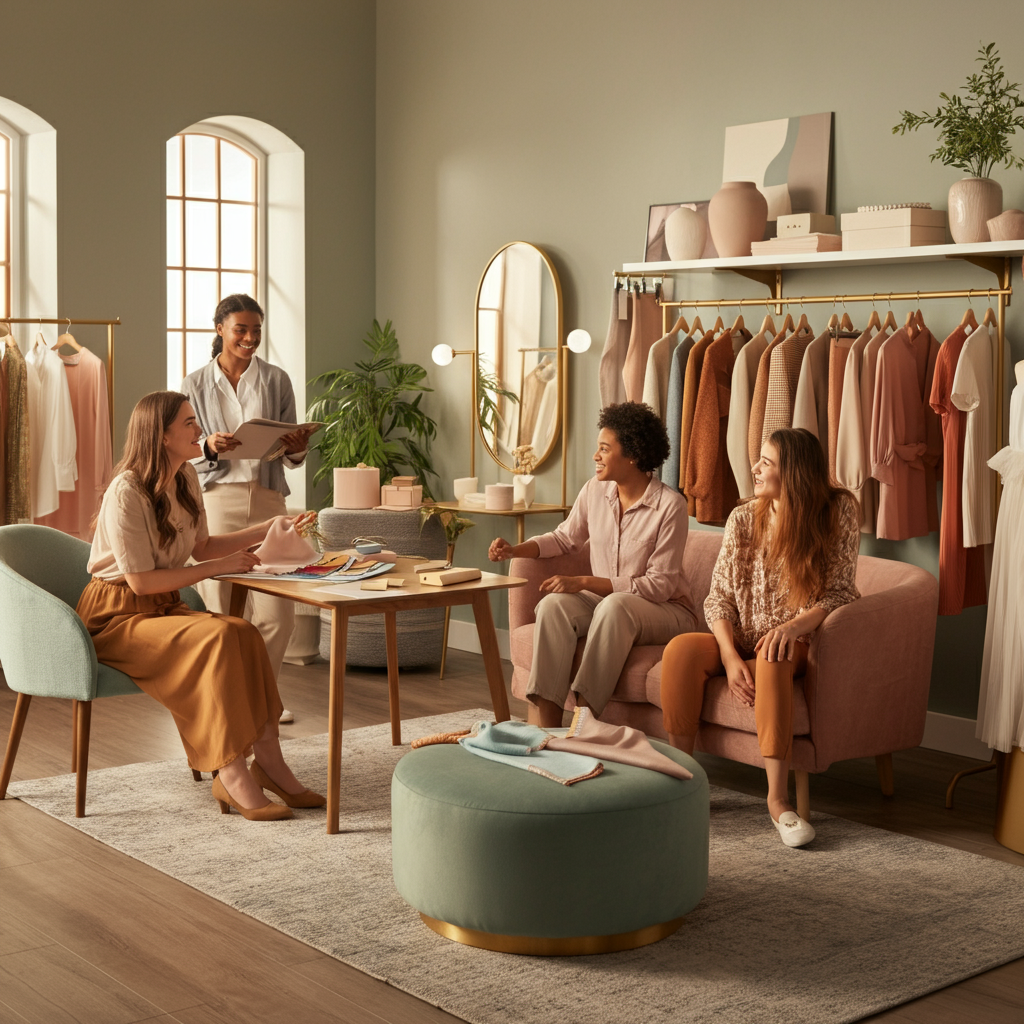
What Is a Freelance Stylist? Everything You Need to Know
If you've been intrigued by the world of fashion, personal styling, or creative wardrobe curation, you may have come across the term "freelance stylist." But what exactly does a freelance stylist do, and how does their role differ from other types of stylists? This blog will provide an in-depth look at freelance styling, including their responsibilities, how they operate, and tips for anyone interested in pursuing this dynamic profession.
What Is a Freelance Stylist?
A freelance stylist is a professional who helps clients refine their personal or professional image, but instead of working as an employee for a single company, they operate independently. They might style outfits for individuals, manage wardrobe choices for photoshoots, or work on creative projects like advertisements or editorial spreads. Essentially, freelance stylists are their own bosses, offering their services on a per-project or contract basis.
Unlike in-house stylists, who usually work for a specific brand, magazine, or agency, freelance stylists have the freedom to choose their projects, set their rates, and manage their schedules. This flexibility makes the career appealing to many, but it also comes with its unique challenges.
What Do Freelance Stylists Do?
Freelance stylists play a variety of roles depending on the clients they work with and the industry they operate in. Here are some typical responsibilities of a freelance stylist:
Personal Styling: Helping clients improve their wardrobe by selecting outfits that match their personality, body type, and lifestyle. This can include closet evaluations, personal shopping, and creating custom lookbooks.
Event Styling: Preparing clients for special events such as weddings, red-carpet appearances, or business presentations by selecting outfits that make them stand out.
Commercial and Editorial Styling: Designing and coordinating outfits for photo shoots, music videos, advertisements, and magazine spreads. This requires a creative eye and a deep understanding of the latest fashion trends.
Wardrobe Management: Assisting clients with decluttering their closets, organizing their clothing, and advising them on essential wardrobe investments.
Brand Collaboration: Working with fashion brands, boutiques, or e-commerce businesses to style products for catalogs, websites, or social media campaigns.
How Does a Freelance Stylist Differ From an In-House Stylist?
While freelance and in-house stylists both work in the fashion and styling industry, their day-to-day work and professional arrangements vary significantly:
Employment:
Freelance stylists are self-employed and operate as independent contractors.
In-house stylists work for a specific employer, such as a fashion brand or magazine, and typically receive a salary.
Project Variety:
Freelance stylists have the freedom to work on diverse projects across different industries.
In-house stylists primarily focus on tasks that align with their employer's specific needs and brand identity.
Flexibility vs. Stability:
Freelancers enjoy flexibility with their time and work but face income unpredictability.
In-house stylists have a stable workload and income but less freedom in choosing assignments.
Networking and Marketing:
Freelancers must actively network and market themselves to find clients and build relationships.
In-house stylists often have work provided to them by their employer without actively seeking opportunities.
The Benefits and Challenges of Being a Freelance Stylist
Benefits
Being a freelance stylist offers a range of exciting advantages:
Flexibility: You can set your own schedule, choose your projects, and work with a variety of clients.
Creative freedom: Freelancers often have more freedom to explore their unique style and ideas.
Diverse opportunities: You can work on everything from personal shopping to editorial shoots, keeping the job dynamic and interesting.
Potential for higher earnings: Successful freelance stylists can command higher rates compared to salaried roles.
Challenges
However, being your own boss comes with some hurdles:
Income instability: The workload can be inconsistent, especially when starting out.
Marketing responsibility: You'll need to promote your services and maintain strong personal branding.
Administrative tasks: Managing contracts, invoices, and taxes can take significant effort.
Competition: The freelance market is competitive, requiring you to consistently stand out.
Who Do Freelance Stylists Work With?
Freelance stylists collaborate with a wide range of clients based on their area of expertise. Some examples include:
Individual clients seeking personal shopping or wardrobe enhancement services.
Photographers and directors needing styling assistance for photo or video shoots.
Brands and retailers hoping to showcase their products in the best light.
Event organizers looking to provide wardrobe services for high-profile gatherings.
The versatility of being a freelance stylist allows you to build a diverse client base and explore multiple industries.
How Do Freelance Stylists Find Work?
Finding consistent work as a freelance stylist requires effort and strategy. Here are some tips:
Build an Impressive Portfolio:
Showcase your skills by creating a portfolio that highlights your best work. Include before-and-after client transformations or photos from styled shoots.
Leverage Social Media:
Use platforms like Instagram or LinkedIn to share your styling projects, connect with potential clients, and grow your following.
Network with Industry Professionals:
Attend fashion events, trade shows, and industry meetups to connect with clients, photographers, and other creatives.
Collaborate with Creatives:
Partner with photographers, makeup artists, and models to create projects that expand your portfolio and increase visibility.
Create a Website:
Launch a professional website that outlines your services, features a portfolio, and makes it easy for potential clients to contact you.
Join Freelance Platforms:
Sign up on job boards and freelance websites like Upwork or Freelancer to find styling gigs.
How to Get Started as a Freelance Stylist
If you're passionate about styling and ready to take the leap into freelancing, here's how to get started:
Gain Experience:
Intern with established stylists, participate in styling workshops, or seek entry-level positions in the industry to refine your skills.
Educate Yourself:
Learn about fashion trends, body types, and wardrobe management. You can even get certified in personal styling through courses or programs.
Create a Business Plan:
Outline your target market, pricing structure, services, and goals. Treat your freelance career like an entrepreneurial venture.
Invest in Marketing:
Create a professional brand image with a logo, business cards, and an active online presence to attract clients.
Stay Consistent:
Being a freelancer takes persistence, so be proactive in reaching out to clients and continuously improving your craft.
Final Thoughts
Becoming a freelance stylist is an exciting career path for individuals who are passionate about fashion and enjoy working independently. While it comes with challenges like income variability and competition, the flexibility, creative freedom, and diverse opportunities make it a rewarding profession.
If you're ready to take the plunge, start by building a strong portfolio, networking actively, and promoting your services online. And for those looking to nail the basics and stand out as a professional, consider exploring certification programs to gain credibility and sharpen your expertise.
Freelancing in styling is a career fueled by passion, persistence, and creativity. With the right steps and mindset, you can carve out a successful niche in this competitive field!